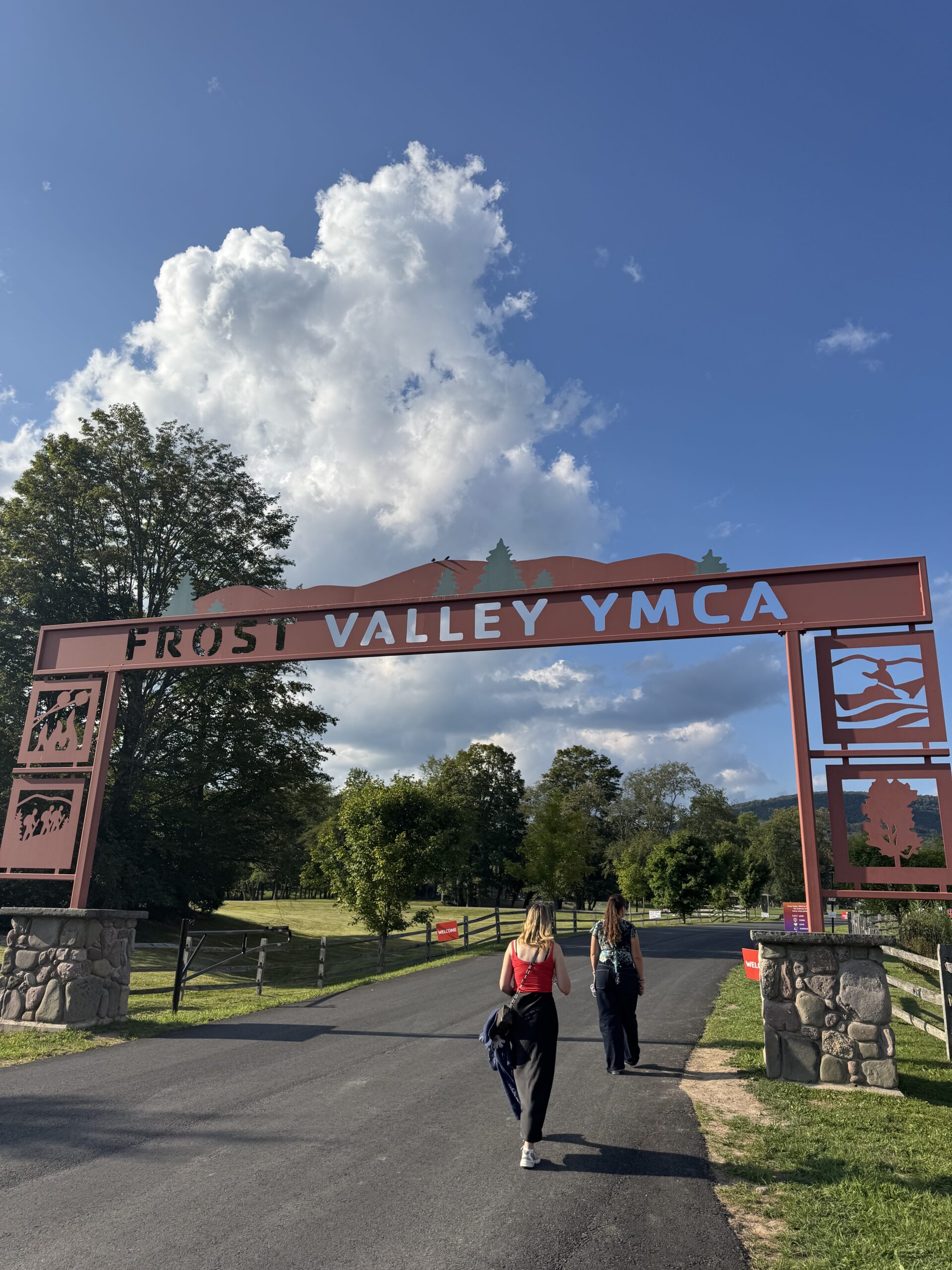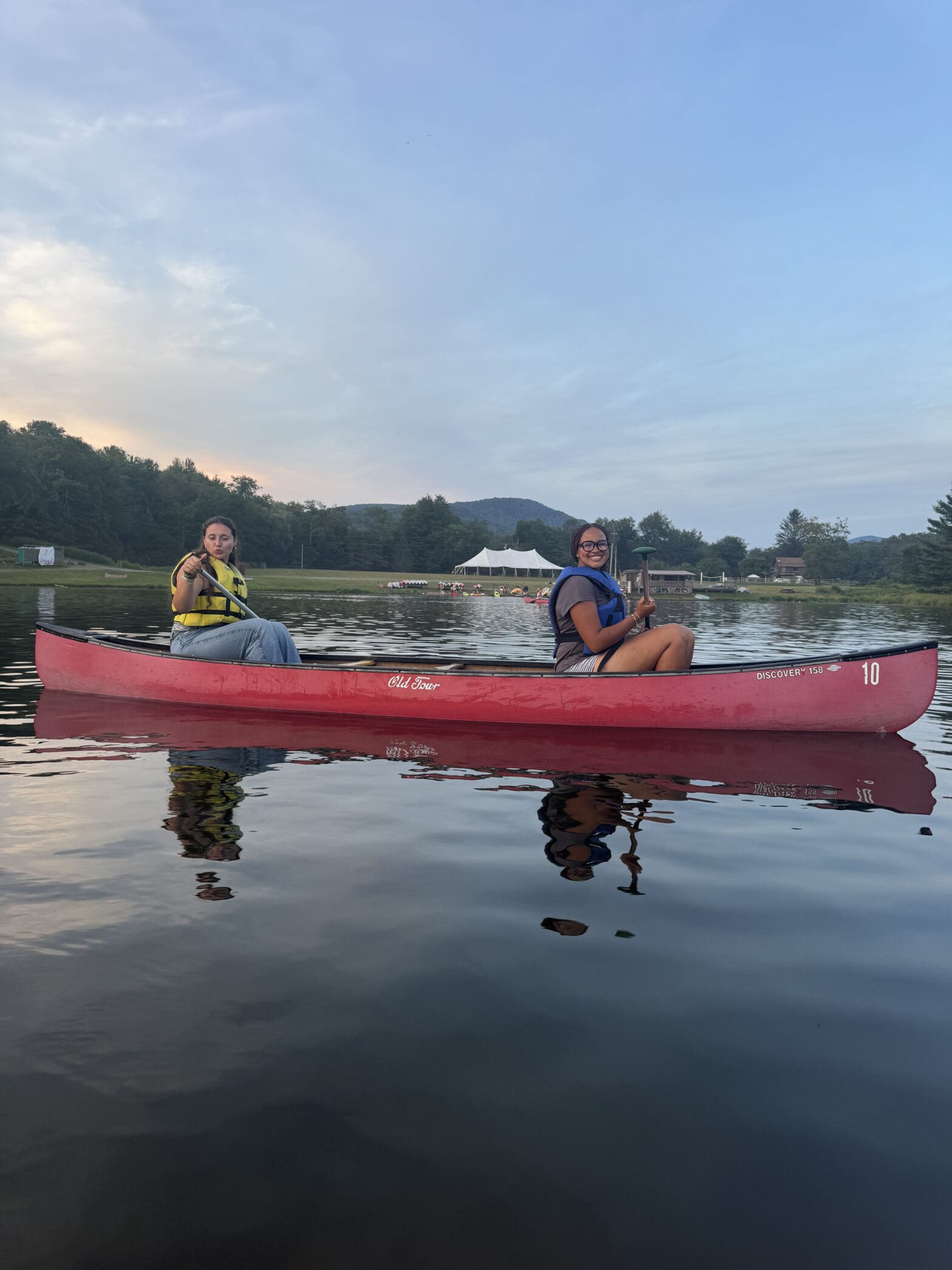
Camp has always been the place where I felt most like myself. I’ve gone back for nine summers now, first as a camper and then as staff, and each year feels like returning to a familiar rhythm. There’s something grounding about being away from everything with no constant notifications, no deadlines, no pressure to perform. It’s just you, the people around you, and long stretches of days that blend together in the best way.
During my first year on staff at Frost Valley YMCA, I spent time across different age groups, called “villages” at camp: one session in Plateau (12–13 year-old girls), another in Hunter (14–15), and two sessions in Rusk (11-12). While Plateau and Hunter were very different, I loved both experiences. Still, I felt the strongest connection with my Rusk campers, who were younger and required more daily interaction, allowing me to bond closely with them and be present in their day-to-day camp experience.
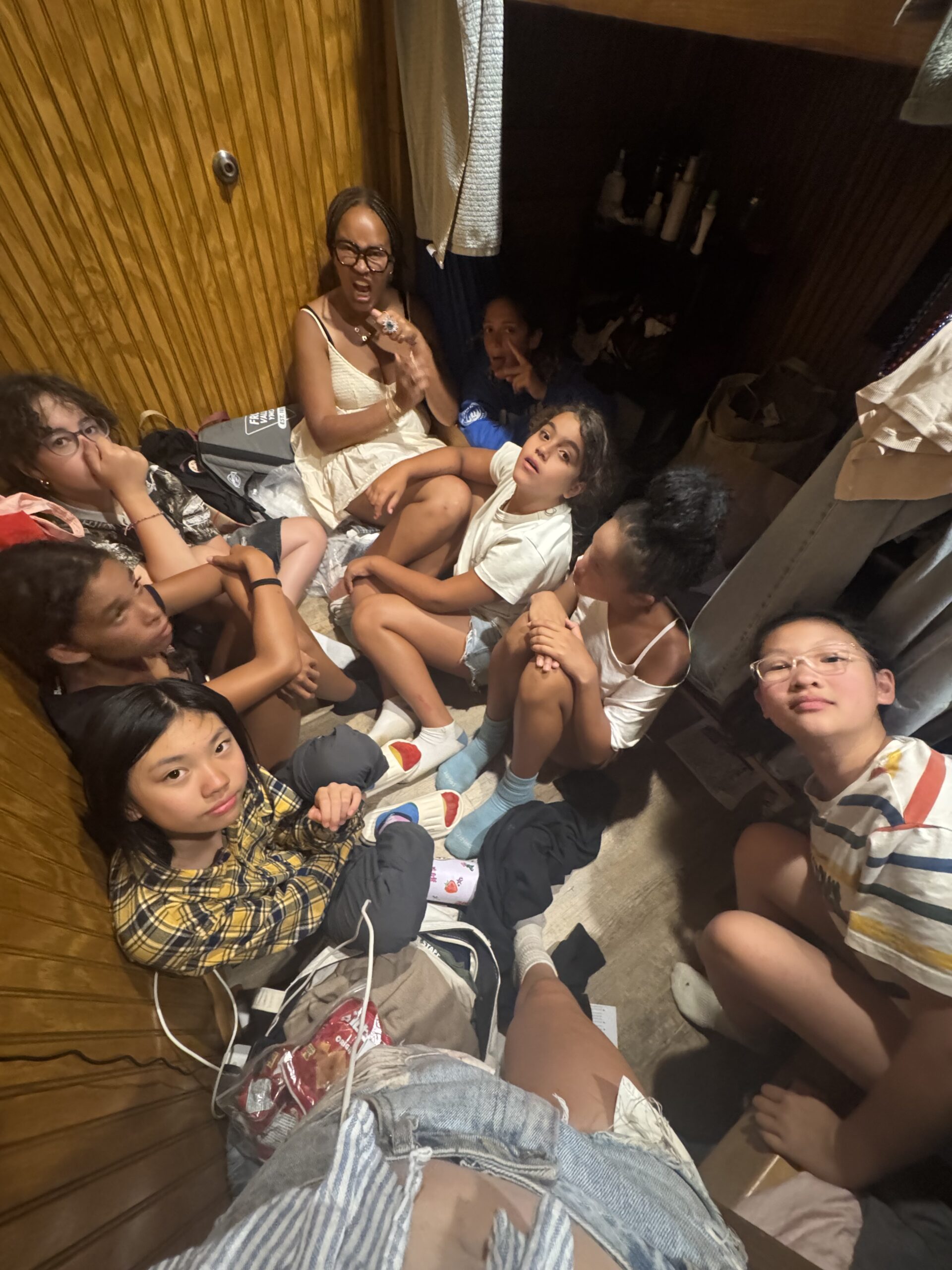
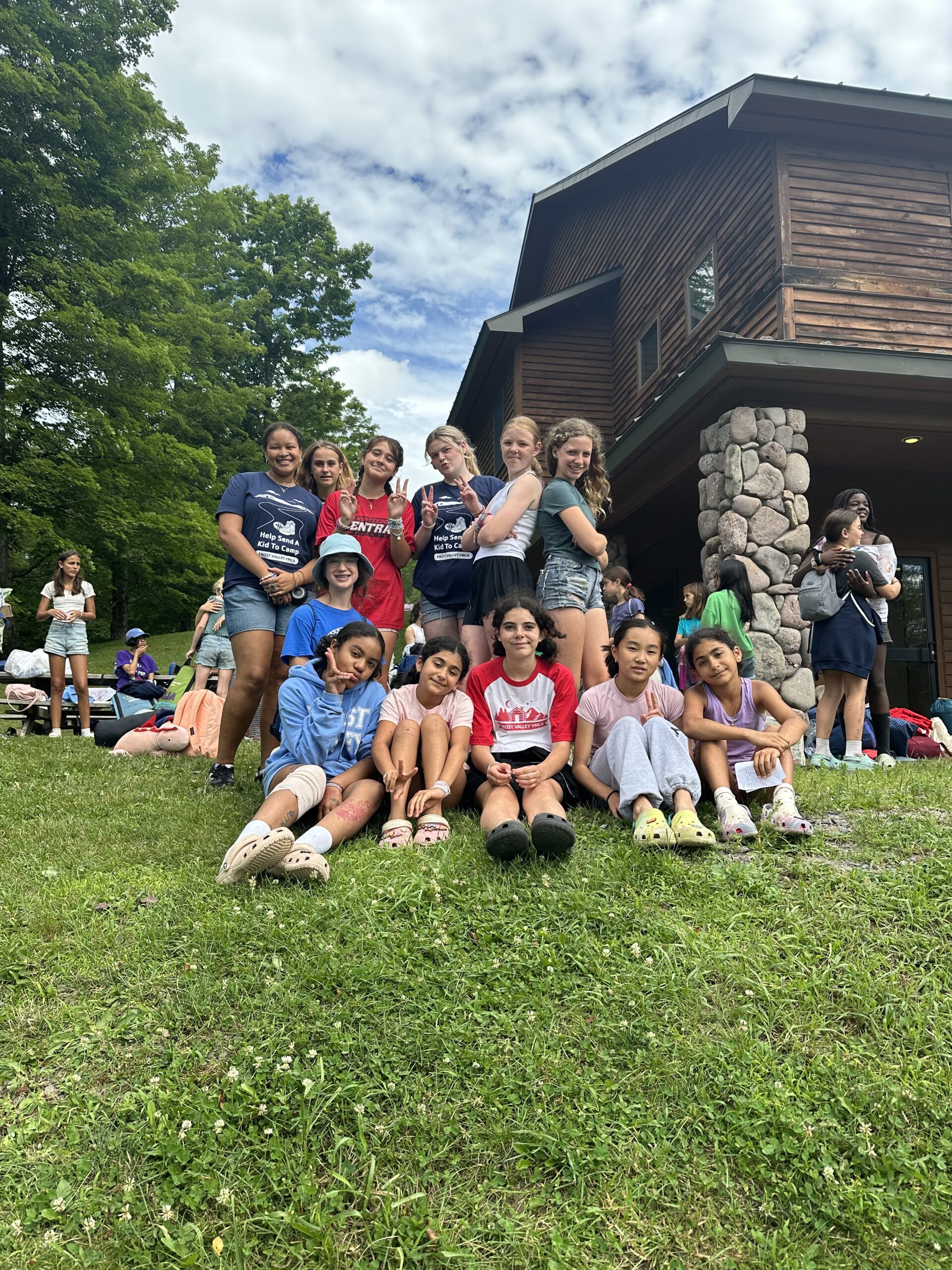
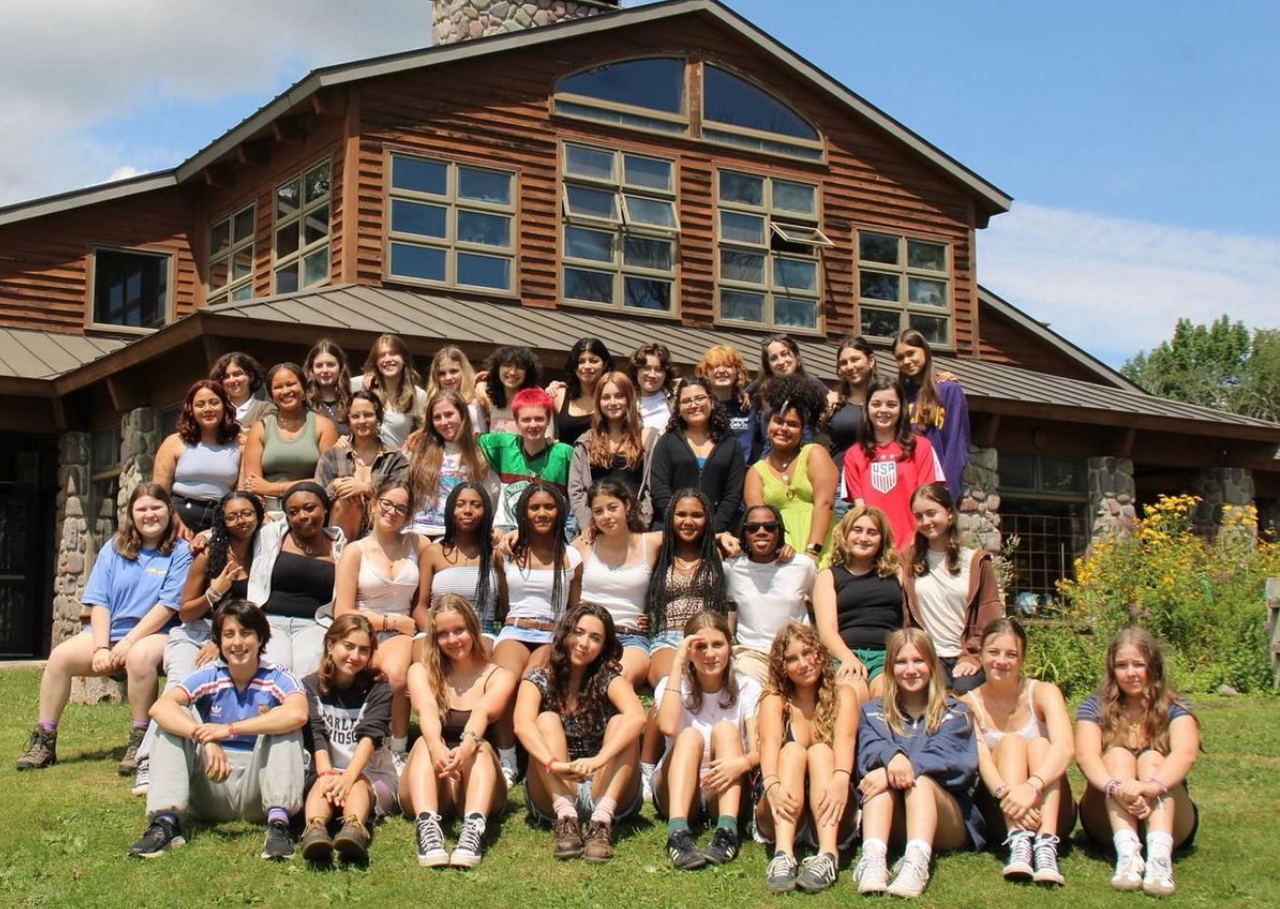
Me with my 2024 Rusk (11-12), Plateau (12-13), and Hunter (14-15) campers.
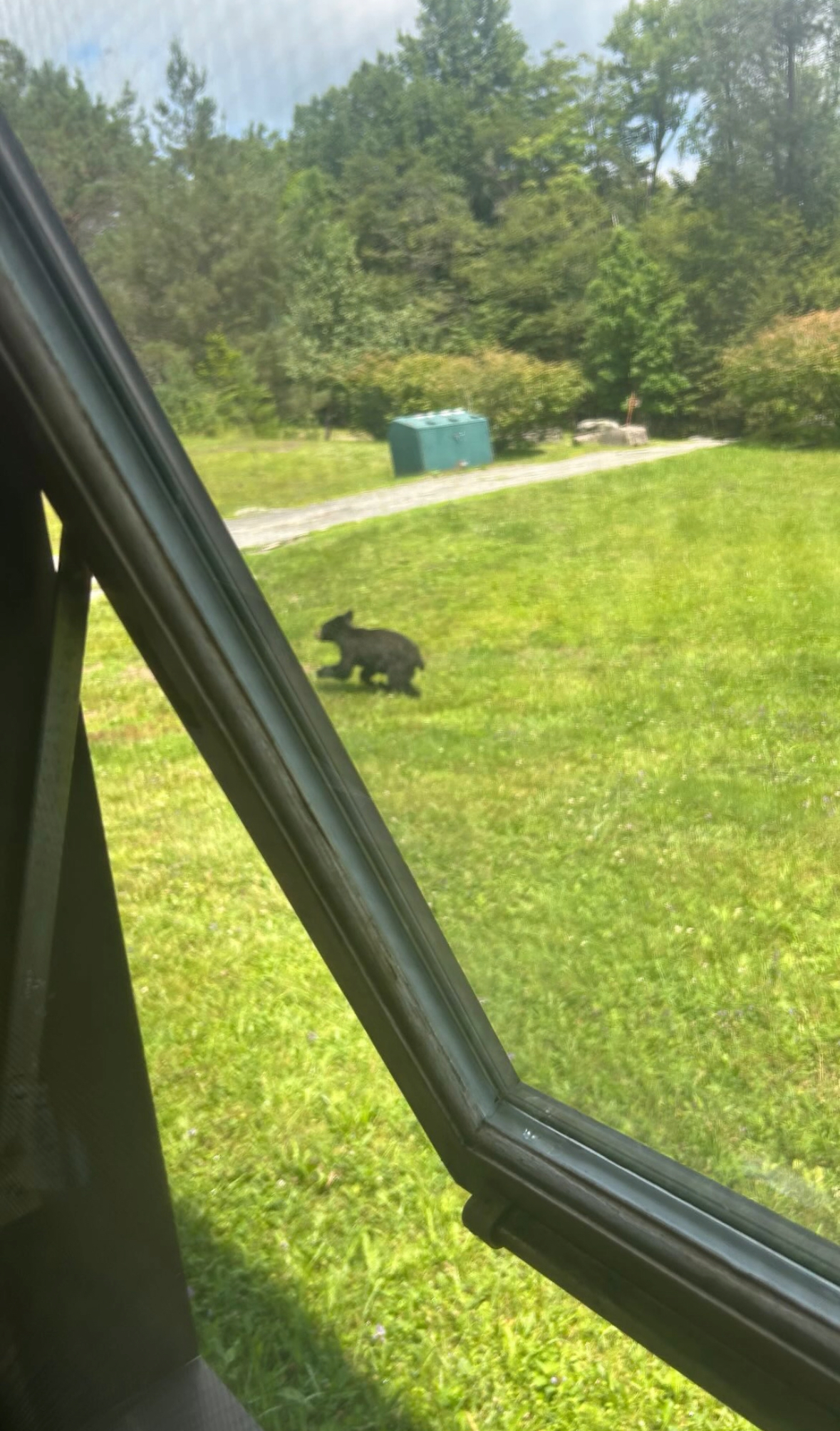
When session three opened back up in Rusk, I stepped in again and was promoted to Logistics Guide (LG), assisting the VC and learning firsthand how to support both campers and staff. By the next summer, I applied to be VC of Rusk and took on a full summer of managing camper overflow, staff drama, bedbugs, and even occasional wildlife encounters.
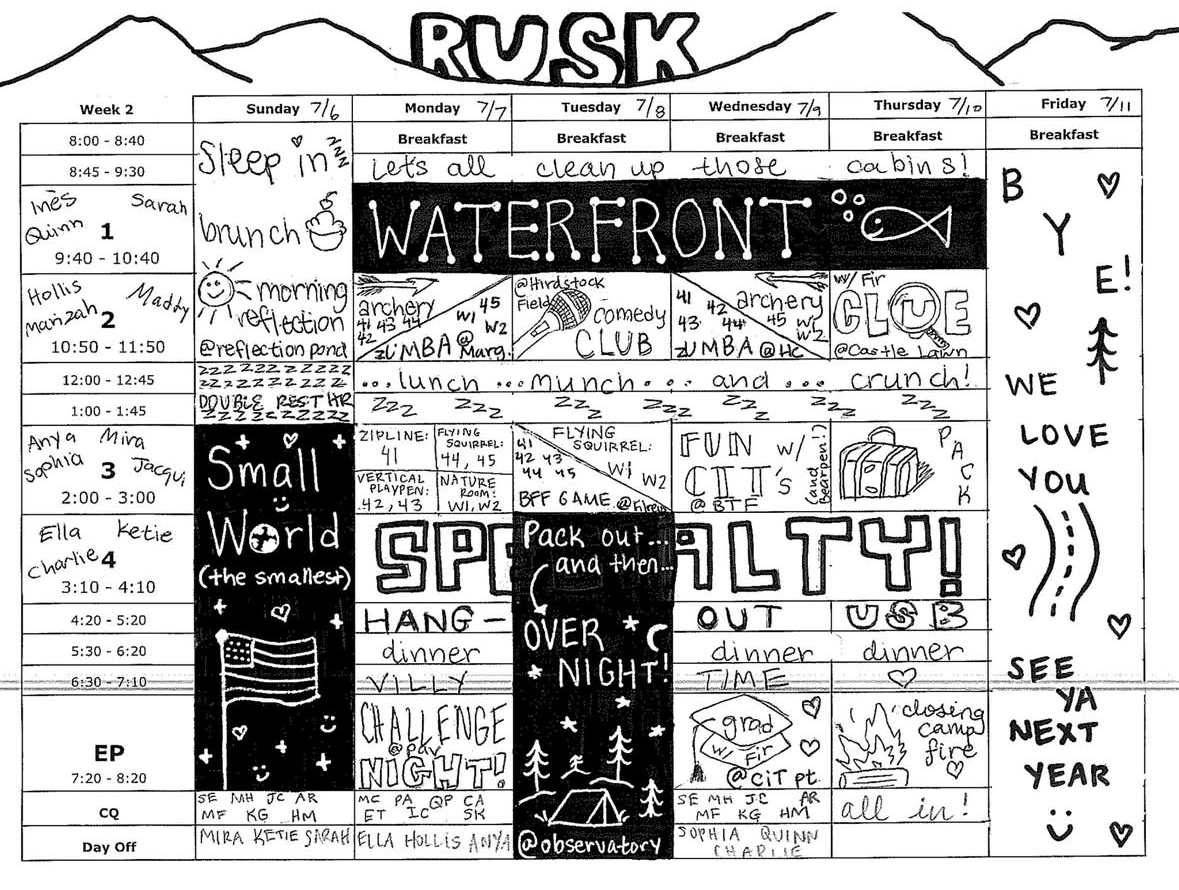
What stands out to me most is how camp doesn’t ask you to be anything other than present. Conversations unfold slowly, friendships form through shared routines, and the smallest moments end up feeling huge. It taught me what it means to show up for others, not through dramatic gestures, but through everyday consistency.
Whether I was helping a younger camper through homesickness, leading an activity, or dealing with a bedbug crisis, I learned that being steady and intentional is its own form of care. Looking after campers and supporting their happiness, safety, and well-being showed me how much I value the process of nurturing others, even if our time together is temporary.
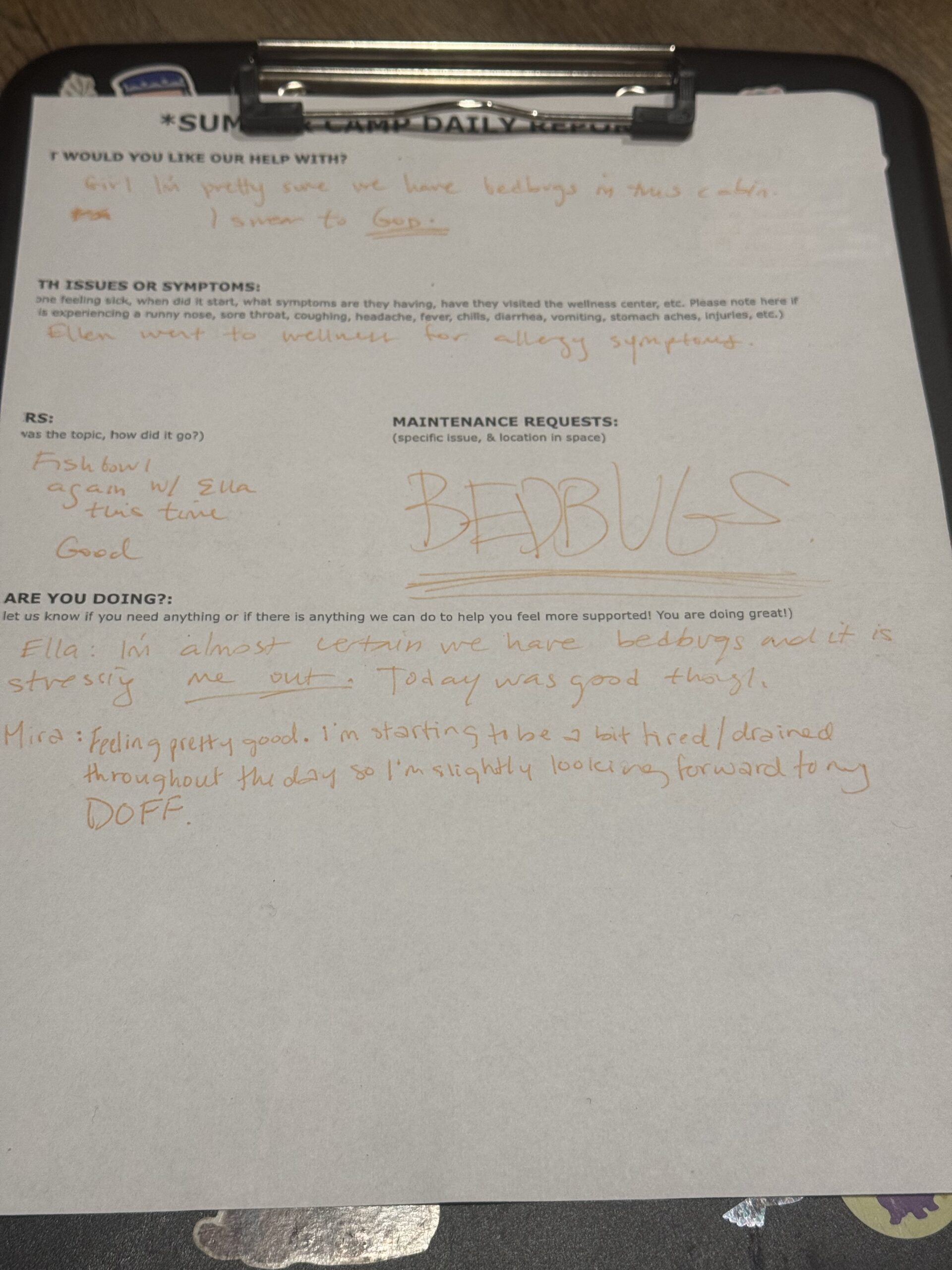
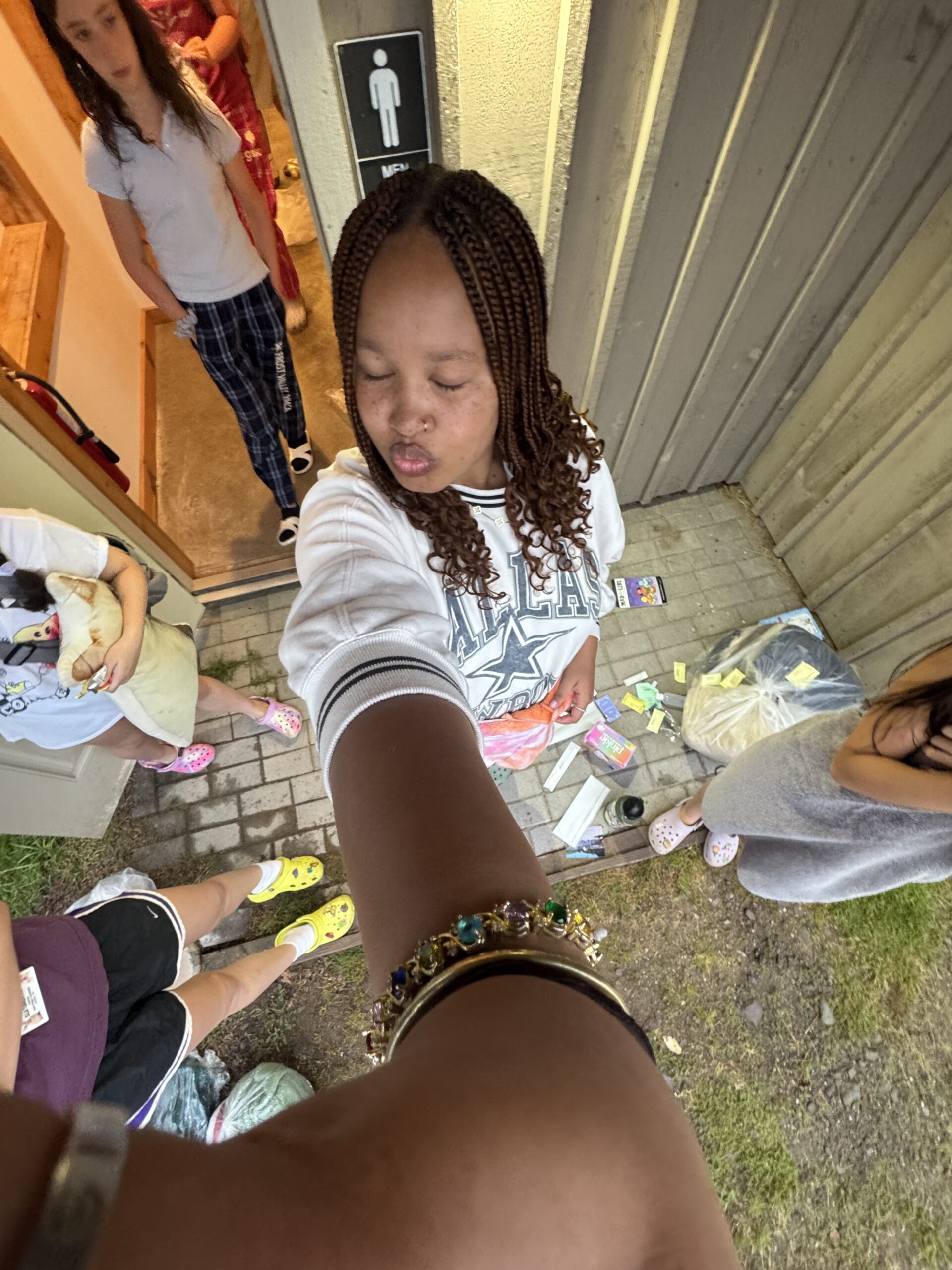
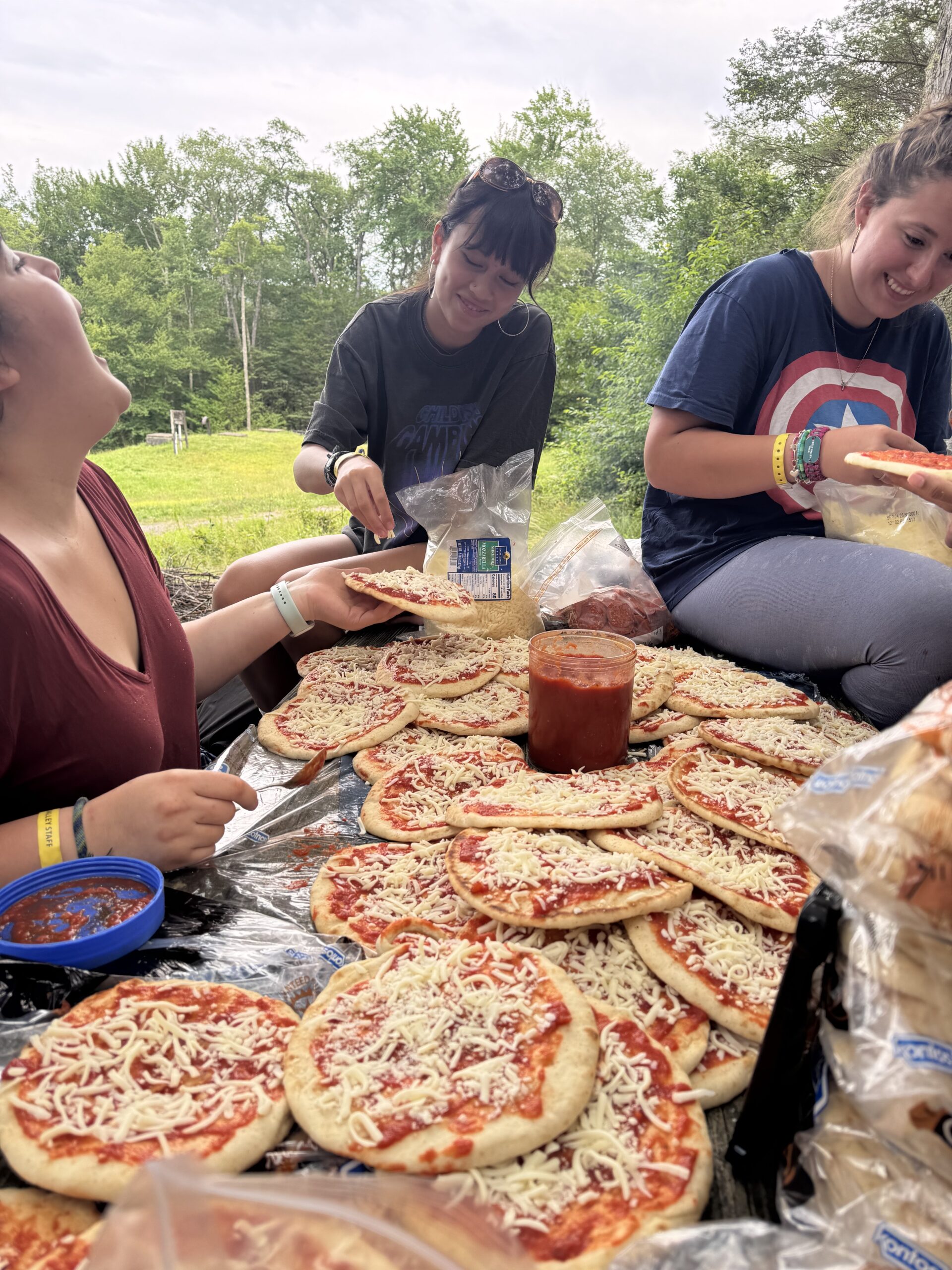
Despite having a torturous introduction to camp with bedbugs in the very first week, my fabulous village staff was able to make the campers’ mandatory 40 minute shower feel like a dance party and we ended the day with so many pita pizzas.
Part of what makes camp so grounding is how disconnected you are from the outside world. Campers and staff aren’t allowed to share outside news, and there’s very limited access to Wi-Fi, mostly in specific out-of-the-way buildings during our one-hour breaks. I really embrace this. I only text if necessary and use my downtime to download shows for the night time or music for my campers.
Being unplugged means I can focus fully on the people around me, the routines, and the moments of connection. For example, in the summer of 2024, Kamala Harris started running for president, and I had no idea until camp ended and I got back to school. Yet somehow, I stay completely up to date on the things that mattered to my campers, K-pop, Demon Slayer theories, and every bit of “brain rot” they were obsessed with.
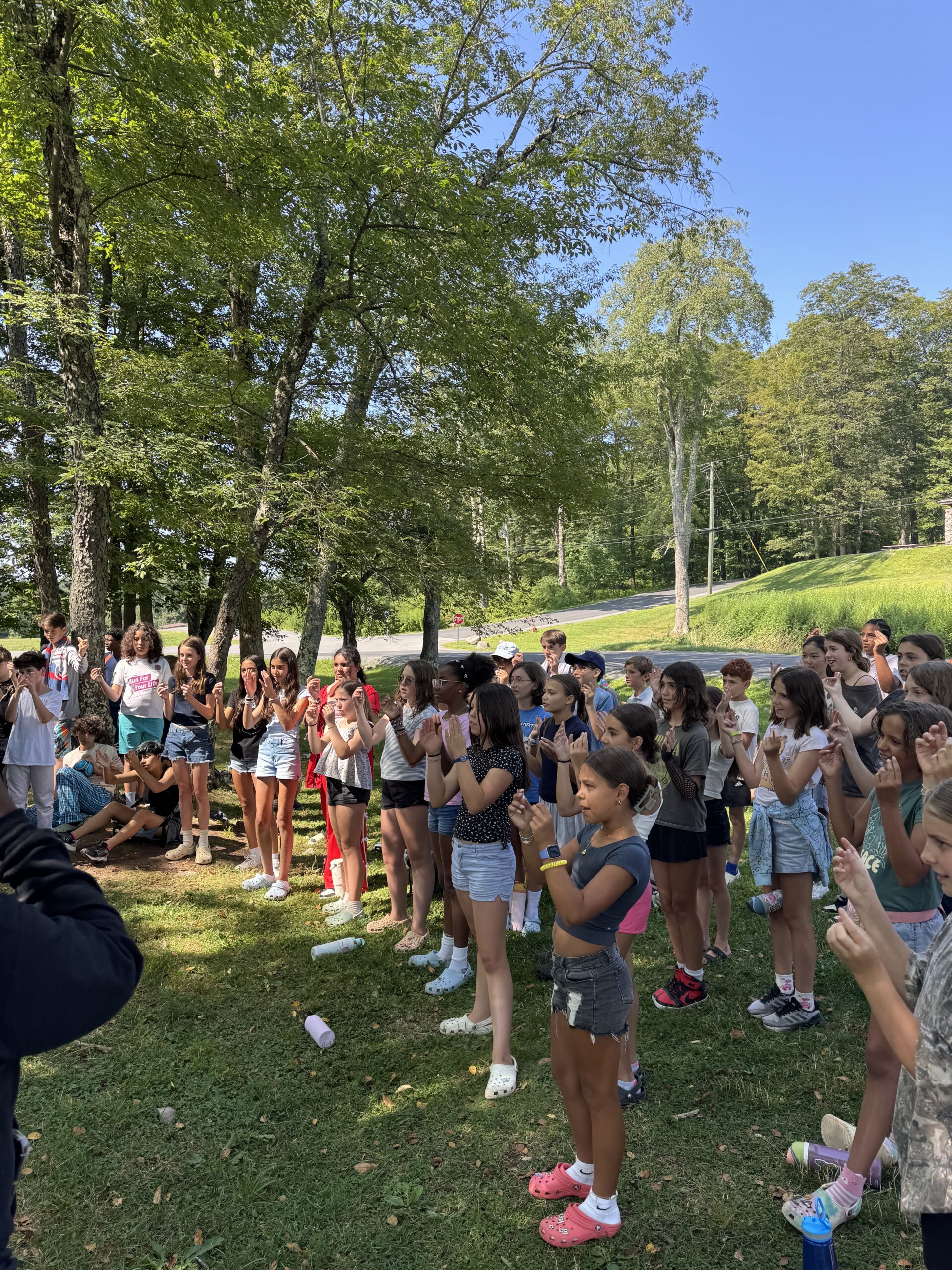
This separation from the constant news cycle allows me to be present and engaged in a way that’s almost impossible in the rest of the world. It’s a reminder that some of the most important experiences come from simply being attentive to the people and moments right in front of you.
Transitioning into working at camp also shifted how I understand responsibility. I used to think leadership meant always knowing the right answer, but camp showed me it’s more about being willing to figure things out alongside people. Your coworkers become your family; you live, eat, sleep, and spend every day together for ten weeks straight. Those bonds taught me patience, teamwork, and the importance of supporting each other just as much as the campers.
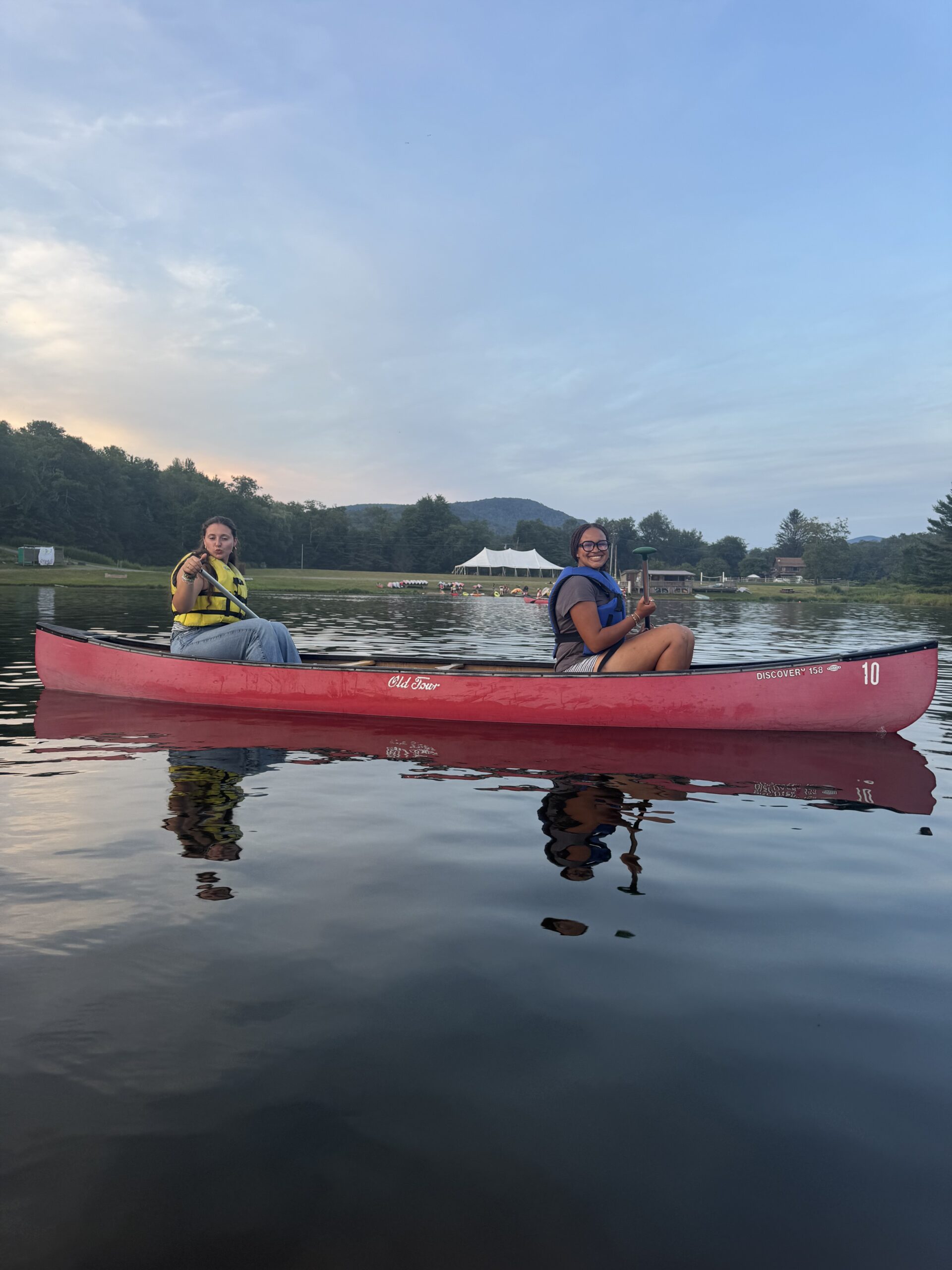
As VC, I often had to attend meetings, get schedules approved, or take part in weekly leadership morale nights, which meant I was sometimes away from the day-to-day camp responsibilities. One week, we had a bedbug situation in our cabin that required me to take a 40-minute shower while also supporting the campers who were understandably upset. Even though I couldn’t be fully present, my fellow counselors kept everything running smoothly, they delegated tasks, adjusted periods, and made sure activities continued without interruption. Seeing them step up like that showed me how leadership at camp isn’t about doing everything yourself; it’s about working alongside others, trusting them, and adapting together when challenges arise.
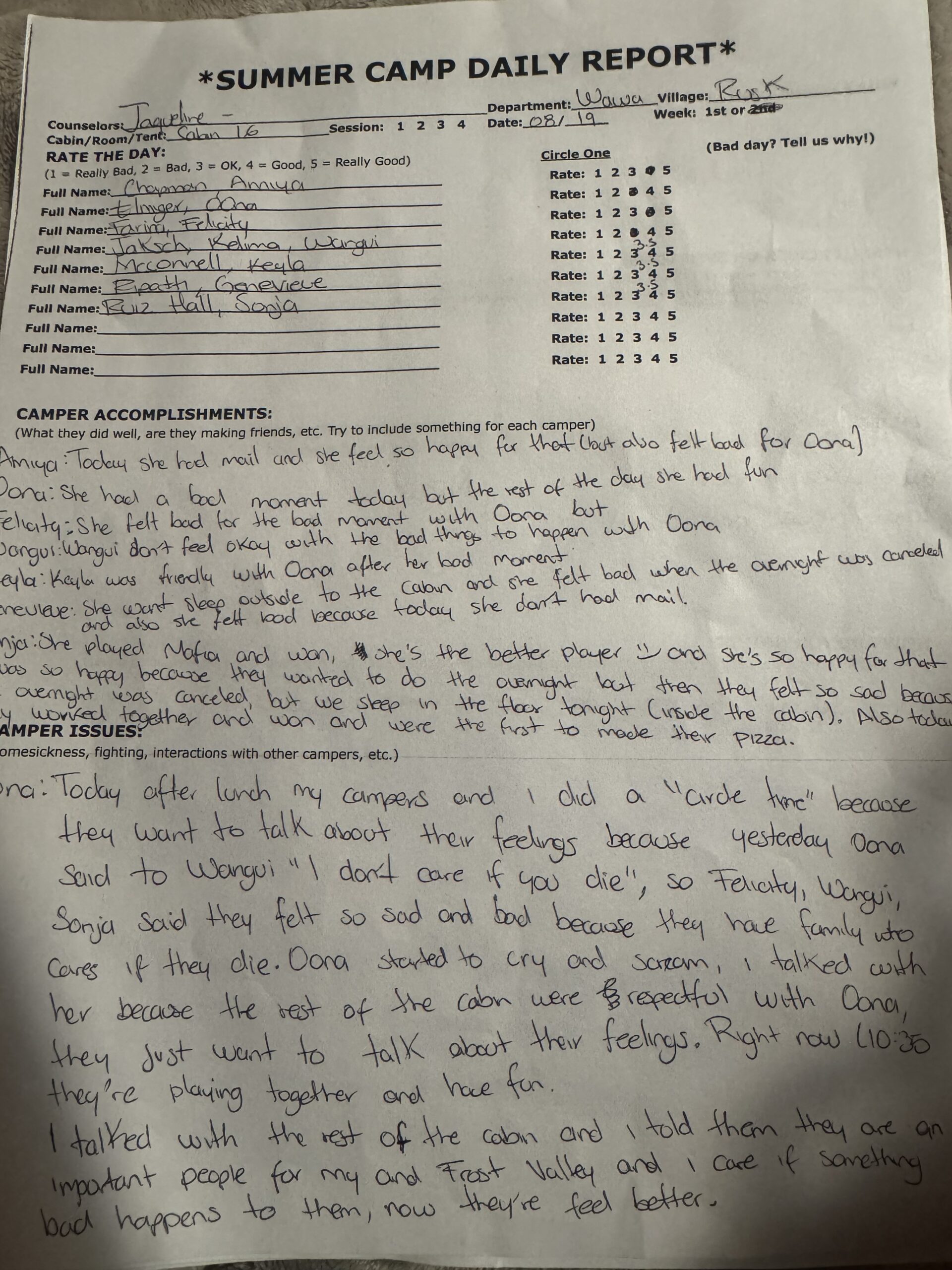
I think camp is such a big part of my identity because it reminds me of who I am when everything else is stripped away. When I’m there, I’m not overthinking or performing. I’m present, connected, and grounded. Going back each summer doesn’t feel like leaving home, it feels like returning to one.