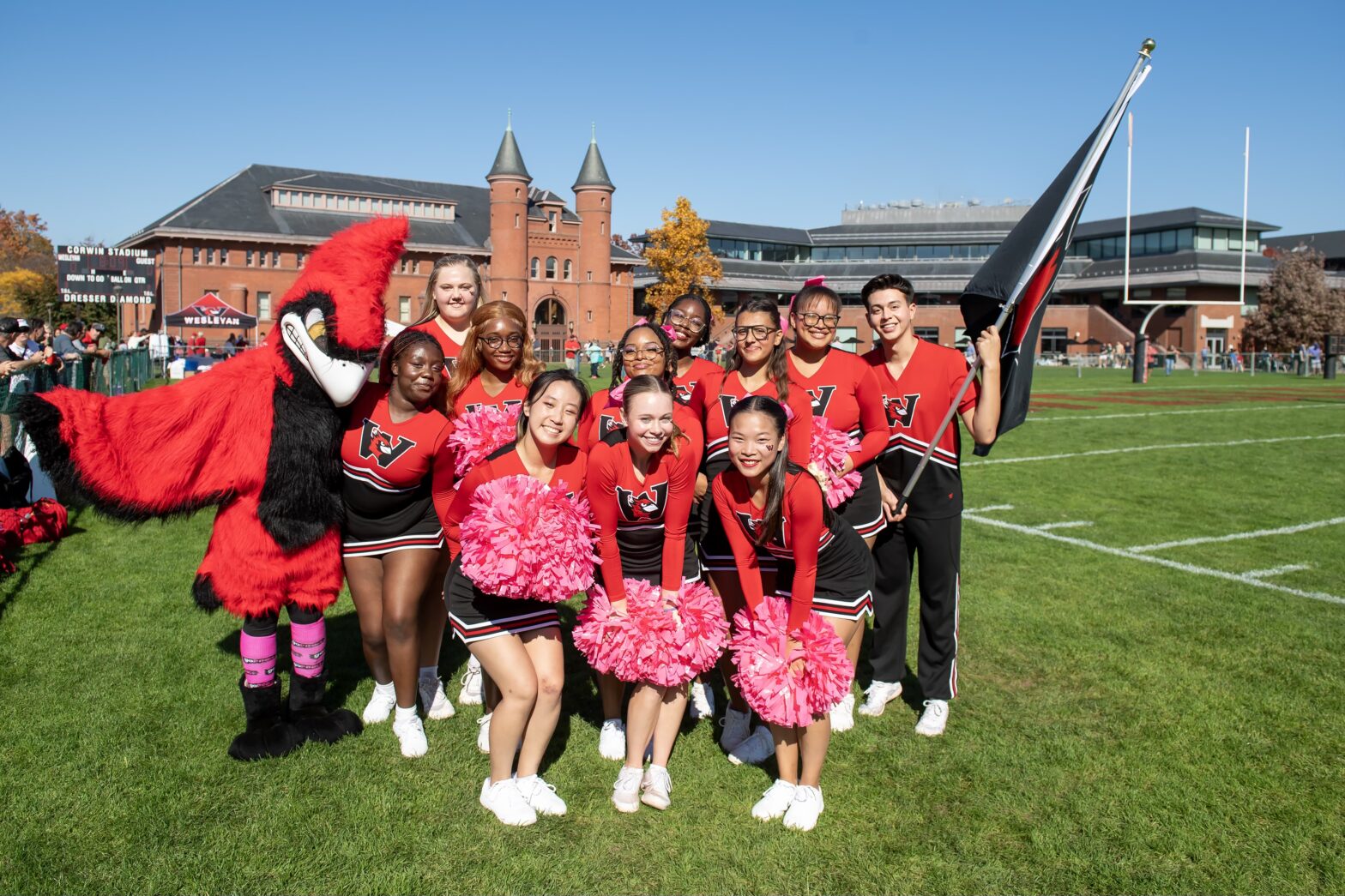
Cheer has been one of the most challenging but rewarding things I’ve done in college. There have been a lot of moments where I’ve struggled with learning new material, team drama, or balancing it with everything else I have going on. But I’ve stayed with it because I genuinely love it. It’s become something I look forward to even when it pushes me out of my comfort zone, and I’ve learned to appreciate that growth doesn’t always feel comfortable while it’s happening.
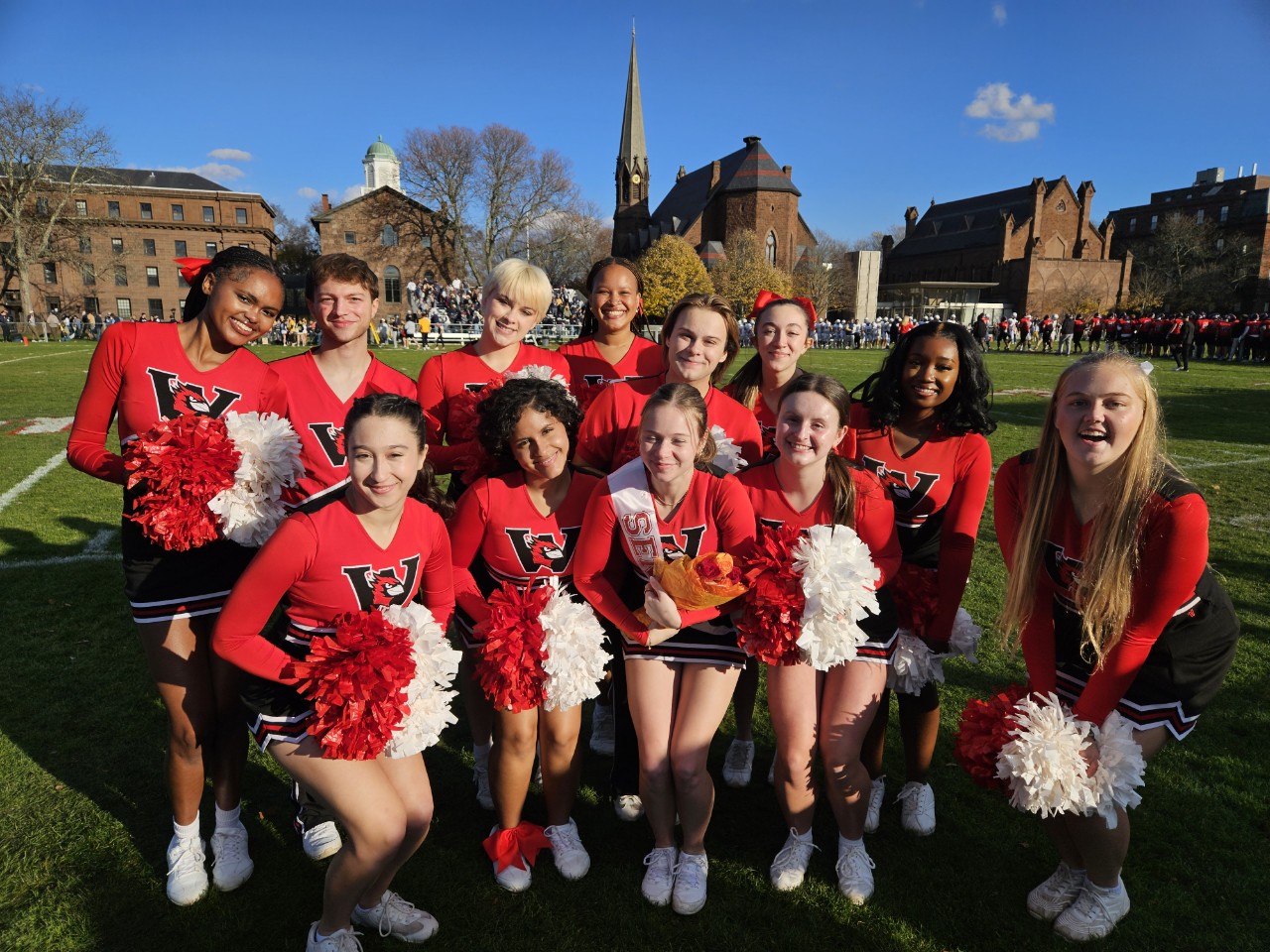
Before I even joined, the practice schedule was set for 7–9 PM on Mondays and Wednesdays because that time mostly works for everyone on the team. Recording new material during practice is actually a big part of how we learn and perform safely. Because people often have conflicts, like I have RA staff meetings that overlap with half of Wednesday practice, recording ensures anyone who misses part of practice can watch it back and get up to speed by the next session. Watching ourselves helps us see exactly what’s working, what needs adjustment, and how our timing and positioning line up with the rest of the team. It’s also a way to slow down and focus on small details without the pressure of performing live. Playback can feel intense at first, since you notice every small mistake, but it’s one of the most useful tools for improvement and building confidence.
I’ve noticed a big difference in myself from practice to game days. In practice, I’m usually nervous, overthinking, and super focused on not messing up. I even catch myself having a “focus face” when we’re recording new material because I want to get it right. I think I get so tense before performing because I’m trying to nail every detail of the choreography in my head. I overthink the moves, timing, and transitions, worrying about making mistakes. But over time, as we practice and repeat the routines, it starts to become muscle memory. In front of the crowd, that changes completely. I’m smiling, relaxed, and focused on the energy of the crowd and my teammates. It becomes less about being perfect and more about having fun, performing, and keeping the spirit up. Seeing the shift in myself from tense and self-conscious to confident and present has been one of my favorite parts of cheer. It reminds me how much I’ve grown, not just in skill but in confidence and presence.
I have thought about quitting cheer many times, and even though quitting would make my days easier, I don’t actually want to. I like the community and having something physical to do, even if practices are late and we don’t always get much recognition. What keeps me there is how collaborative it is, it’s not like other creative spaces I’ve been in. Everyone gives input, suggests moves, and brings in ideas or stunts they’ve seen online. It’s always evolving because we’re constantly learning and contributing together. We might not have the most polished or uniform technique, but that collaboration builds such a strong sense of connection, and that’s ultimately why I stay.
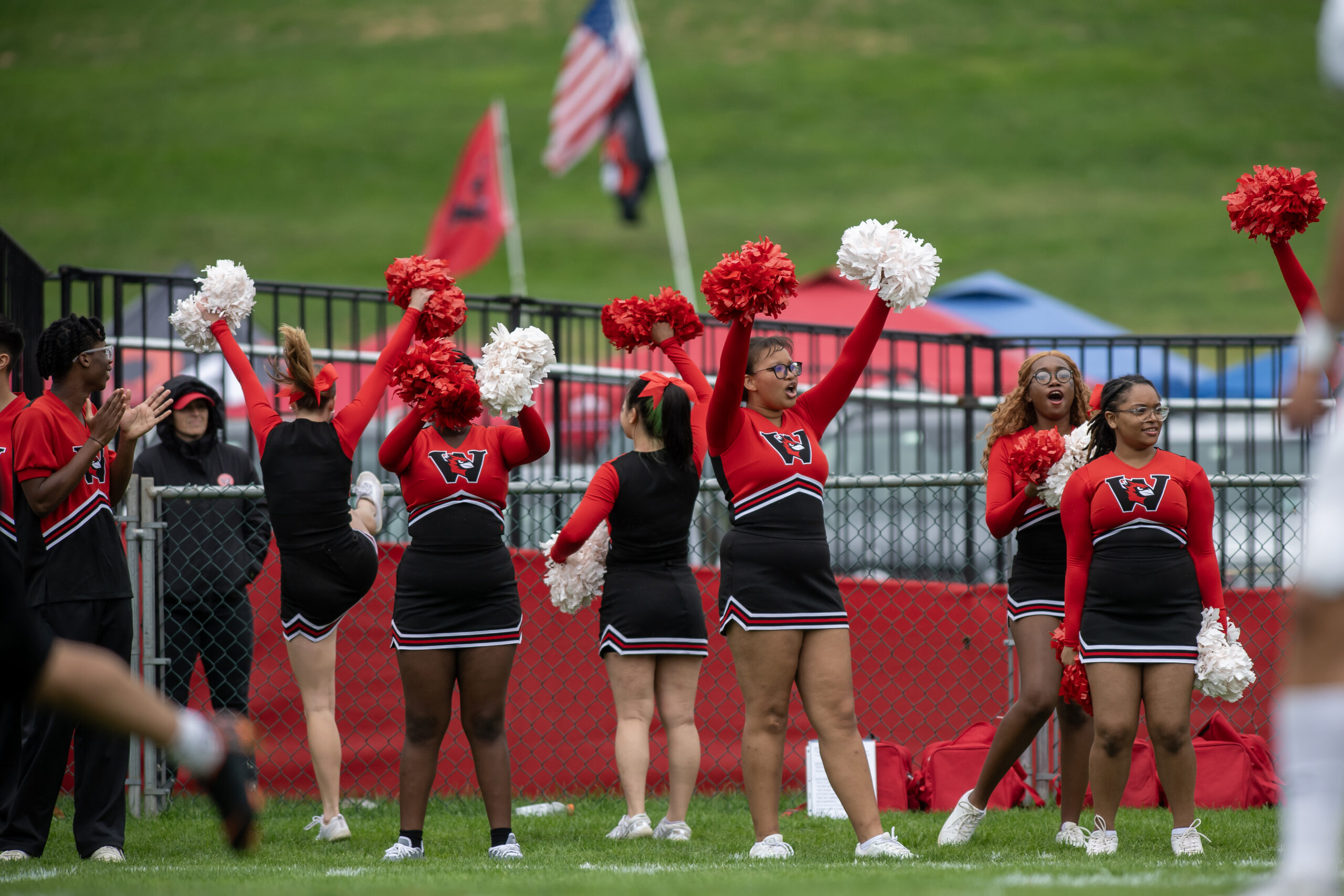
Part of what makes cheer so rewarding is how collaborative it is. When we’re learning a new routine or stunt, everyone is encouraged to share ideas, moves they’ve seen, suggestions for transitions, or ways to improve timing. Naturally, there are different opinions, and it’s not always easy to agree on one approach. Usually, we try out several ideas, discuss what works best for the group, and sometimes combine elements from multiple suggestions. It’s a process of trial, feedback, and compromise, and it helps everyone feel invested in the routine. Even if our technique isn’t perfectly uniform, this collaboration builds a strong sense of connection and ownership, which makes performing together feel that much more rewarding.
